
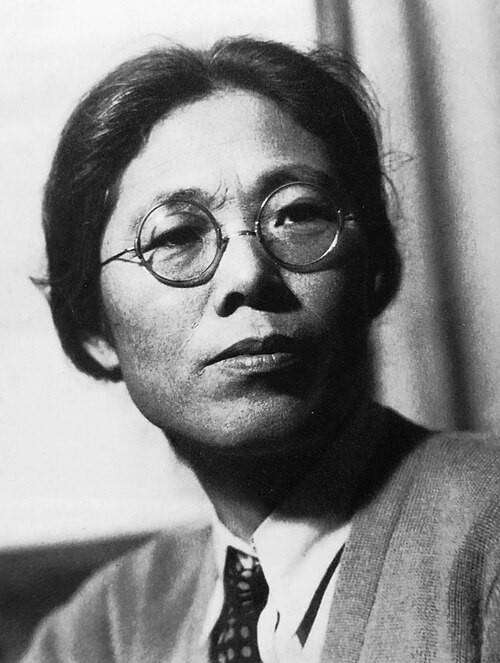
Leader of Women’s Suffrage in Japan / Symbol of Clean and Ethical Politics
Profile
Born in 1893, Fusae Ichikawa was a central leader of Japan’s women’s suffrage movement.
In 1924, she co-founded the Women’s Suffrage League, leading decades-long efforts to secure voting rights for women.
In 1945, she became one of the key figures responsible for the realization of women’s suffrage in Japan, playing a vital role in shaping the postwar democratic system.
From 1953 onward, she served as a member of the House of Councillors, remaining independent throughout her political career and consistently advocating for “clean politics” in opposition to corruption and money-driven power.
She transformed women’s political participation from an ideal into an institutional reality, and stands as a practical and enduring leader in the history of Japanese women’s rights.
Message to the Next Generation
If you wish to change society, you must not turn away from politics.
Without women standing in positions of decision-making, the future of women cannot be protected.
Ideals alone are not enough.
You must take responsibility for changing systems, laws, and institutions.
Rights are not something to wait for—they are opened through action.
The courage of one individual can transform the common sense of an era.